Science stories and science features for children. Discover the known, the unknown, and little-known facts in our science articles. Learn the how and why of everyday things and explore rare and exotic living species. Our science magazine is packed with science facts, features, learning and fun for kids.
358 items in this section. Displaying page 1 of 36
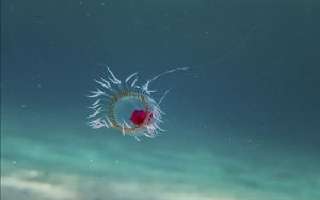
Which is the Oldest Living Creature?
The oldest living creature in the world will come as a surprise to you. Many of the animals in the seas, skies, and earth live long lives. Yet the oldest living creature in the world is an immortal jellyfish that has never died. Its family name is Turritopsis Dohrnii. It hails from a class of small animals that live mainly in saltwater. The Dohrnii begin their life journey as larvae with a diameter of no more than 4 millimeters....
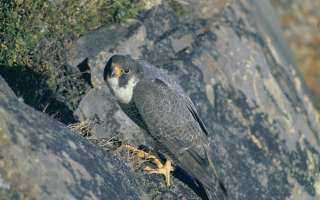
Which is the fastest animal on earth?
Peregrine Falcon is the fastest animal on earth – it can fly nearly as fast as an airplane. Peregrine Falcon is one of the rare birds that thrive in urban environments. It uses tall skyscrapers as launchpads and hunts pigeons and ducks. It is the world’s most widespread bird of prey and one of the most widely found bird species. It also has a good relationship with humans who use it for hunting. Known as the Duck Hawk in North America, it is a falcon....
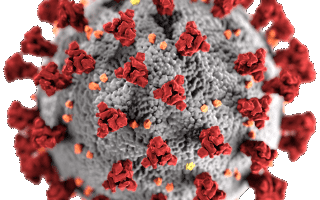
What is a virus?
Viruses are these tiny, invisible structures that cause infections. They make us sick. There are millions of viruses in our environment but only about 5000 have been identified by scientists. The ones you may have heard of are the Human Immunodeficiency Virus or HIV and the Novel Coronavirus or Covid-19. What do viruses look like? Severe acute respiratory syndrome coronavirus 2 (SARS-CoV-2) illustration, created at the Centers for Disease Control and Prevention (CDC) Do you think that a virus is some creepy, crawly thing?...
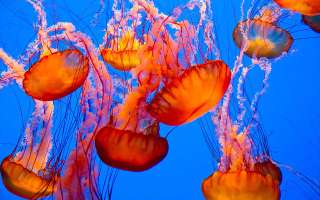
How Do Fish Survive in Icy Waters?
In cold winter months, lakes and rivers freeze over forming ice. Yet, fish and other aquatic animals manage to survive. Animals like seals, penguins, walruses and a wide variety of sea birds are all fish eaters. They live in the Arctic and Antarctic Circle, amidst the icecaps. The land is completely frozen. Yet these animals manage to live in this region. How do they do it? The icy waters of the Arctic and Antarctic Oceans support a great amount of marine life....

Penguin Sweaters
Oil spills can have a devastating effect on marine life. After an oil spill, one of the most important jobs of rescuers is to fish out oil soaked birds and animals, clean them and rehabilitate them before releasing them into the wild again. Recently, after an oil spill in the Australian waters, environmentalists claimed that the oil slicks were threatening the existence of the little blue penguins in the south of Australia. These tiny, blue-backed penguins are barely 41 centimetres in height – half the height of the world’s biggest, and famous Emperor penguins of Antarctica....
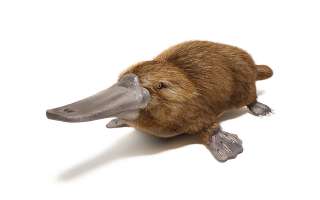
Which Mammal lays Eggs?
Mammals are creatures who give birth to their young ones as opposed to other animals who lay eggs. Birds, reptiles and insects lay eggs. But as with every other rule, this one has exceptions* too. An exceptional exception The duck-billed platypus of Australia walks out of fresh waters to build its nest on the ground. But it has retained its love of water and returns to streams and ponds to eat crayfish, snails, and shrimp. The most remarkable feature in the platypus is that although it is a mammal, it lays eggs!...

What is Artificial Intelligence?
If you touch a hot metal object, you will yank your hand away immediately. When this happens to you the first time, the sequence of events and the result (the burning of your hand) gets stored in your brain. This is what we call an experience. When you see a hot metal object next time, you will not touch it. You will use the knowledge of your previous experience and decide to not repeat it again....
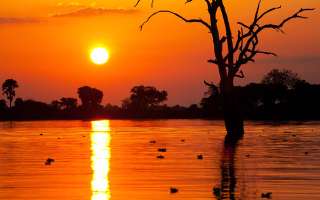
Why's the Sun Red during Sunrise and Sunset?
As day breaks, a reddish-white ball of light that we call the sun, rises. This red haze gives way to a golden-white sheen as the day advances and reappears when the sun sets in the evening. Does the sun really change colours, or does it only seem so? The explanation lies in-between. Light from the sun consists of three kinds of radiation – ultra-violet rays, visible light and infra-red rays. Unlike visible light, ultra-violet rays and infra-red rays cannot be seen....

Fish That Live in the Desert
We all know that fish live in water. But, there is a kind of fish which lives in the desert. Difficult to believe? Well, there is a variety of fish called the lungfish, which are found in Africa. When the rivers overflow, their water spreads to the dry regions around. It forms small lakes or ponds. The fish lives in these ponds. And, when the lakes dry up, the lung fish don’t die. They bury themselves in the wet mud where they can live for months....

How does a Nuclear Bomb differ from a Conventional Bomb?
Every now and then we hear of countries of the world carrying out heated discussions about nuclear bombs. The topics range from who has the right to own a nuclear bomb and who does not, who should use it and who must not and so on. But what exactly happens when such a bomb actually explodes? And how are nuclear bombs different from conventional bombs? The greatest difference between the two types of bombs is the sheer scale of destruction they cause....
- ❮ Previous
- Next ❯